
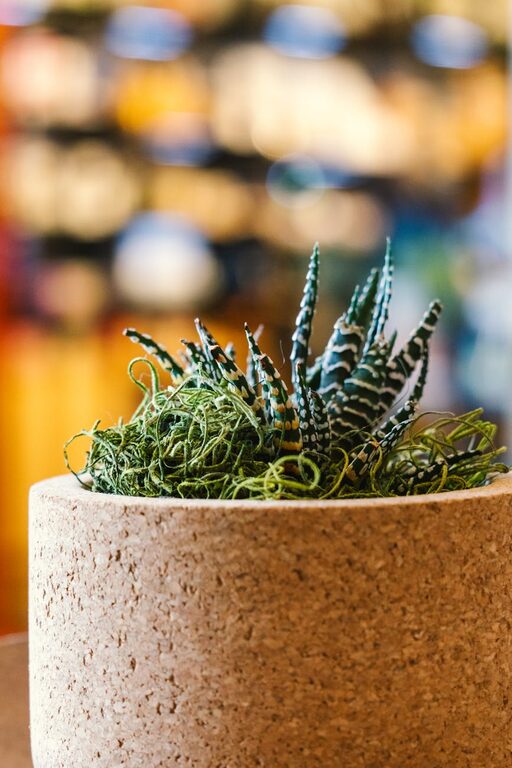
Bringing houseplants into your home is a wonderful way to add life, color, and fresh air to your living space. However, keeping these green companions healthy requires some care and attention. Whether you are a beginner or have a few plants already, understanding their needs can make a big difference in ensuring they thrive. In this post, we’ll explore helpful tips for maintaining happy and healthy houseplants.
Understanding Your Plant’s Needs
Know Your Plant Type
Houseplants come from a variety of environments, so their requirements can differ. Some thrive in bright sunlight, while others prefer shade or indirect light. Research your plant species to understand its natural habitat. This knowledge helps you provide the right conditions for its growth.
Light Requirements
Light is one of the most important factors affecting plant health. Place sun-loving plants near south or west-facing windows where they can get plenty of bright light. Shade-tolerant plants do well in rooms with less direct sunlight.
If natural light is limited in your home, consider using grow lights to supplement your plants’ needs.
Watering Wisely
Avoid Overwatering
Overwatering is a common mistake that can lead to root rot. Make sure your pots have drainage holes to allow excess water to escape. The soil should be moist but not soggy.
A good rule of thumb is to water when the top inch of soil feels dry to the touch. Different plants have different watering needs, so adjust accordingly.
Check Your Water Quality
Tap water can sometimes contain chemicals like chlorine or fluoride that may affect sensitive plants. Let tap water sit out overnight before watering or use filtered water if possible.
Proper Soil and Potting
Choose the Right Soil Mix
Plants have varied preferences when it comes to soil. Succulents and cacti need well-draining sandy soil, while tropical plants enjoy rich, moisture-retentive potting mix.
Using the appropriate soil helps prevent problems like poor drainage or nutrient deficiencies.
Repot When Needed
Plants can outgrow their pots or become root-bound. Repotting every 1-2 years helps provide fresh soil and more room for roots to grow. Choose a pot slightly larger than the current one with good drainage.
Maintain Optimal Humidity and Temperature
Consider Humidity Levels
Many houseplants, especially tropical varieties, prefer high humidity. If your home is dry, particularly during winter, increase humidity by misting plants, using a humidifier, or grouping plants together.
Keep Temperature Stable
Avoid placing plants near drafty windows, heaters, or air conditioners. Sudden changes in temperature can stress plants and affect their growth.
Regular Feeding and Pruning
Fertilize Appropriately
Plants need nutrients that might not be adequately supplied by potting soil alone. Use a balanced, water-soluble fertilizer during the growing season (spring and summer). Follow package instructions to avoid over-fertilizing.
Prune for Health
Regular pruning helps remove dead or yellowing leaves and encourages new growth. It also improves air circulation, reducing the risk of pests and diseases.
Monitoring for Pests and Diseases
Inspect Plants Regularly
Check your plants for signs of pests such as spider mites, aphids, or mealybugs. Look for discolored spots, sticky residue, or webbing.
Early detection makes treatment easier and less stressful for your plants.
Manage Problems Naturally
Try natural remedies like wiping leaves with soapy water or using neem oil before turning to chemical pesticides.
Tips for Specific Common Houseplants
– Snake Plant (Sansevieria): Requires minimal watering and thrives in low to bright indirect light.
– Spider Plant: Prefers bright, indirect light and occasional watering; avoid overwatering.
– Monstera: Enjoys high humidity and bright, indirect light; water when the top inch of soil dries.
– Succulents: Need well-drained soil and bright sunlight; water sparingly.
Creating a Routine
Develop a simple care schedule that fits your lifestyle. Consistent attention to your plants helps catch problems early and promotes long-term health.
Conclusion
Taking care of houseplants can be a rewarding and relaxing activity. By understanding your plants’ unique needs and following these tips, you can keep your indoor garden lush and beautiful. Remember, patience and observation go a long way in helping your green friends flourish.
Happy gardening!